Star anise is the star-shaped spice that adds a warm licorice kick to both savory and sweet dishes around the world. Originating in China and Vietnam, this aromatic pod has long been prized for its unique sweet spicy flavor. You may recognize it from Chinese five-spice powder or a bowl of Vietnamese pho broth. Yet star anise’s appeal goes beyond cuisine, it also has a rich history in traditional medicine.
In this comprehensive guide, we explore star anise’s flavor profile, culinary uses, pairings, storage, and even its health benefits (including ancient Eastern uses and modern insights). By the end, home cooks and chefs alike will discover how to harness this celestial spice in the kitchen and beyond.
Botanical Background and History
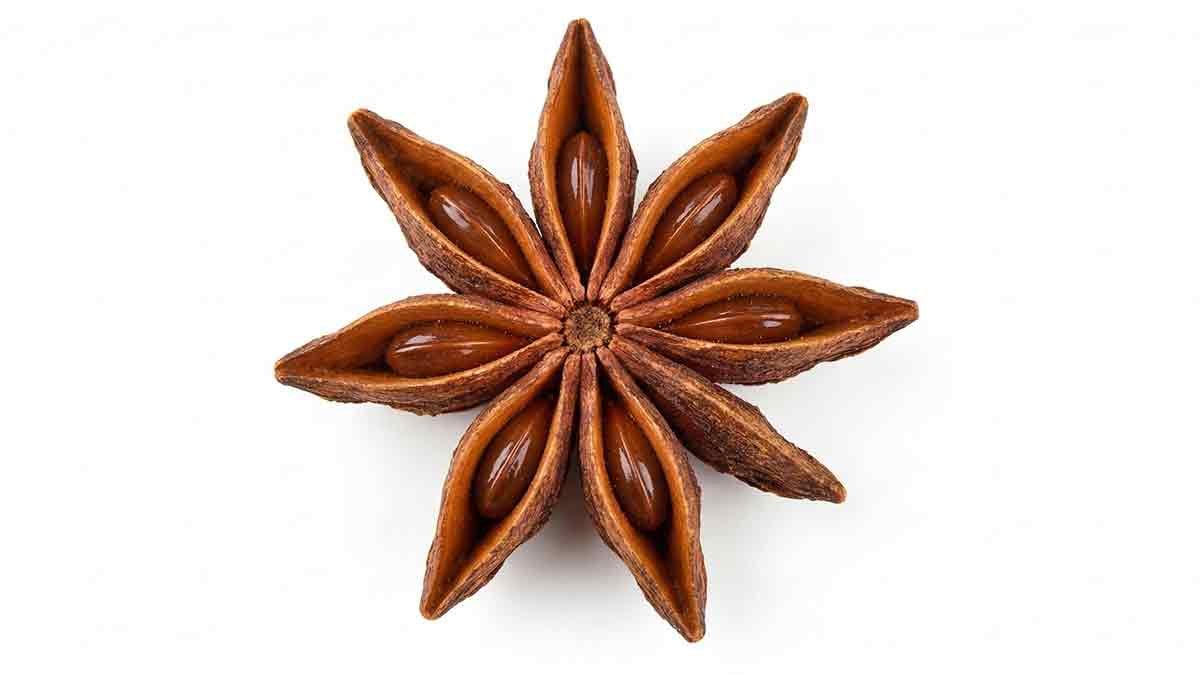
Star anise (Illicium verum) is an evergreen tree in the Schisandraceae family. It grows in subtropical forests of southern China and northern Vietnam. The spice comes from its fruit: a dried, star-shaped pod with 6 to 8 pointed carpels, each containing a seed. The Latin genus name Illicium means “allure”, reflecting its fragrant nature.
Its use dates back over a millennium in China, where star anise appears in Song Dynasty (960–1279 AD) culinary texts and Ming Dynasty (1368–1644) medical writings. Traders brought it to Europe by the 17th century. Today, star anise is still one of the most iconic spices in Chinese and Southeast Asian kitchens, and it has found a place in global cuisines from Indian masalas to Western baking.
Flavor and Aroma Chemistry
Star anise’s taste is dominated by a sweet, licorice/aniseed note. The principal flavor molecule is trans-anethole, which typically comprises 80–90% of its essential oil. (Anethole is the same compound that flavors anise seed and fennel.) This gives star anise its characteristic candy-like sweetness and slight spice.
Other compounds (estragole, linalool, limonene, cineole/eucalyptol, safrole, β-caryophyllene, etc.) add complexity. For example, cineole contributes a cooling note, while β-caryophyllene lends a hint of woodsy warmth. The aroma can remind some people of cinnamon or nutmeg, with subtle clove-like nuances.
Due to its unique chemistry, star anise is described as sweet, warm, and spicy. World Spice notes it has an “intensely sweet licorice taste and aroma”, and McCormick’s Kitchen says the flavor is “often described as sweet and licorice-like, with subtle hints of clove and cinnamon”. Unlike hot chilies, star anise has almost no actual heat (capsaicin), so its “spiciness” is more warmth than heat. It has virtually no sourness or umami, and only very mild bitterness when used in normal amounts.
Culinary Uses Around the World
Star anise shines in both savory and sweet recipes. In Chinese cuisine, it is a key ingredient in five-spice powder (alongside cinnamon, cloves, fennel, and Sichuan peppercorn) and is used in braised and stewed dishes. Vietnamese pho broth also relies on star anise: the pods simmer for hours with beef bones and spices to give the soup its signature aroma. Other Asian uses include Peking duck (in the marinade), pho ga (chicken soup), and regional curries or spiced teas.
Outside Asia, star anise pops up in surprising places. In Indian kitchens it’s found in masala chai (spiced tea) and some biryani/pilaf recipes. Middle Eastern cuisines use it in spice rubs or sweet-spice mixes. European cooks know it holiday baking: a piece of star anise in hot cider or Christmas punch imparts a festive note. Bakers use ground star anise or anise seeds to flavor cookies, cakes, and fruit desserts (e.g. poached pears). Even tropical dishes like Mexican champurrado (spiced chocolate drink) or Moroccan stews may call for a star-shaped pod for an exotic twist.
Some popular recipes specifically highlight star anise. According to AllRecipes, star anise adds a “warm and comforting flavor” . McCormick’s blog notes that beyond soups, star anise works “fantastically” in desserts, beverages and even cocktails. In summary: savory broths, braises and curries (especially Asian), spiced drinks and teas, and sweet baked goods are all excellent places to use star anise.
Pairings and Substitutes
Because of its strong licorice-sweet profile, star anise pairs well with other sweet-spicy flavors. Good companions include cinnamon, cloves, ginger and cardamom. For example, star anise and cinnamon together emphasize warmth (used in chai or French spice blends). It also balances fatty or savory foods: pairing star anise with savory umami-rich meats (beef) cuts richness and adds aromatic lift. Citrus elements (orange peel or zest) can brighten a heavy anise note in sauces or marinades.
Common culinary pairings are often seen in blends. In Chinese five-spice, star anise melds with cinnamon, cloves, fennel, and peppercorns. In pickling spice mixes or pho broth, it joins cinnamon and ginger for depth. In desserts, pairing it with vanilla or citrus fruit enhances its sweet side.
Substitutes: If you don’t have star anise, the closest flavor is anise seed, though it’s milder. Fennel seed provides a similar sweet-anise note. A homemade stand-in can be a mix: equal parts ground anise seed, fennel seed and a pinch of cinnamon often works. However, nothing exactly replicates its unique depth. (Do not use Japanese star anise (Illicium anisatum) – it is toxic and used only for incense.)
Cooking and Handling Tips
Whole vs. ground:
Star anise is typically used whole (pods) or ground. Whole pods are ideal for long-cooking liquids (soups, stews, curries); drop them in early so they infuse the dish, and remove before eating as they remain hard. Ground star anise (often used in baking or spice blends) disperses flavor quickly but should be added sparingly, since it’s potent.
Toasting:
Lightly toasting whole pods in a dry skillet (over medium heat, stirring) for 30–60 seconds dramatically boosts the aroma. Toasting warms the oil-containing tissues and creates new aromatic compounds. As Serious Eats explains, this “draws out more flavor” and produces “new, more complex aromas. Even if you’re only simmering the pods later (e.g. in a broth), a quick toast beforehand will intensify the result. Just be careful not to burn them (they should smell fragrant, not smoke).
Cooking:
Only a little star anise is needed (one pod per serving is usually enough). It should simmer with the food long enough to soften slightly and release flavor. Remove it before serving – the woody pods are inedible. In brewing tea or mulled drinks, the pods can usually remain and get discarded with the tea leaves.
Pairing in recipes:
In savory dishes, star anise works well with soy sauce, garlic, onion, and ginger (think braises or glazes). In sweet applications, it blends with vanilla, honey, almond, apples, pears, or pumpkin. For example, toss a pod into apple cider for a spiced drink, or infuse it into custards or syrups for desserts.
Medicinal and Ethnobotanical Insights
Star anise has a long tradition in herbal medicine, especially in Chinese and Ayurvedic systems. According to TCM, star anise “warms the Yang, disperses cold, regulates Qi, and relieves pain.” It’s considered a warming spice that helps digestion and alleviates cold symptoms. In practical terms, it is used in teas or formulas for gas, bloating, colds and flu, and muscle aches.
Ayurveda notes that star anise’s “hot potency (ushna) and sweet taste (madhura rasa)” make it ideal for pacifying Vata dosha and stimulating Agni (digestive fire). Traditional remedies use it as a carminative to relieve indigestion and as an expectorant to ease coughs. Ethnobotanical sources mention its use to help new mothers recover appetite after childbirth, and even as an insect-repellent fumigant in Burma and India.
Modern science has identified many healthful compounds in star anise. Most famously, it contains shikimic acid, the precursor used in antiviral drug (Tamiflu) synthesis. This connection has spurred interest in its antiviral and immune-supporting potential. Studies also show star anise oil has antibacterial, antifungal, and antioxidant properties, largely attributed to anethole and related phenylpropanoids. It demonstrates mild anti-inflammatory effects (β-caryophyllene acts on CB2 receptors). Clinically, some trials (e.g., in Journal of Ethnopharmacology) report improvements in digestive issues and cough symptoms when using star anise preparations, supporting its traditional uses.
Important: Only culinary star anise (I. verum) is safe to eat. The closely related Japanese star anise (I. anisatum) contains toxic compounds and should never be used in food. Pregnant women and young children should use it in moderation, and the essential oil should be used with caution due to its potency.
Storage and Buying Tips
High-quality star anise should have a deep brownish-red color and a strong sweet aroma. Intact pods retain flavor longer, so prefer whole star anise over pre-ground if possible. When storing, use the same rules as other spices: airtight glass container in a cool, dark pantry, away from heat and moisture. Label with date – whole star anise can stay fresh up to 2–3 years, though it gradually loses potency. Ground star anise lasts about 1 year. If your spice seems dusty or weak, it won’t spoil (it won’t make you sick) but the flavor will be dull.
Conclusion
Star anise is a versatile and potent spice that can transform both savory broths and sweet confections. With its distinctive licorice-sweet warmth, it bridges cuisines from Asian curries to European . Understanding its flavor compounds (mainly anethole) and how to use it (whole versus ground, toasting, infusion) allows cooks to make the most of it.
Beyond the kitchen, star anise also brings centuries of herbal wisdom and modern scientific interest, from aiding digestion to lending a hand (via shikimic acid) in antiviral treatments. By storing it properly and using it thoughtfully (a little goes a long way!), home cooks can enjoy the rich culinary and medicinal legacy of this celestial spice.