THE HOOK: Why Every Home Cook Needs to Understand Clove
Imagine the aroma filling your kitchen on a winter morning—that intoxicating blend of warmth, woodiness, and subtle sweetness that makes you think of holiday celebrations, aromatic teas, and glazed meats that have captivated cultures for over 2,000 years. That’s clove. Yet most home cooks treat this powerhouse spice as a mere background ingredient, never fully grasping why a single bud can transform an entire dish, or why chefs instinctively reach for it when seeking deep, complex warmth. This comprehensive guide unlocks the science, history, and mastery techniques behind Syzygium aromaticum—the spice that once traded for its weight in gold and shaped the course of global commerce. Whether you’re a seasoned chef seeking to elevate your recipes or a home cook curious about why this ingredient matters, understanding clove’s chemistry, culinary applications, and flavor dynamics will fundamentally change how you cook.
THE ORIGIN STORY: From Sacred Spice Islands to Global Ingredient
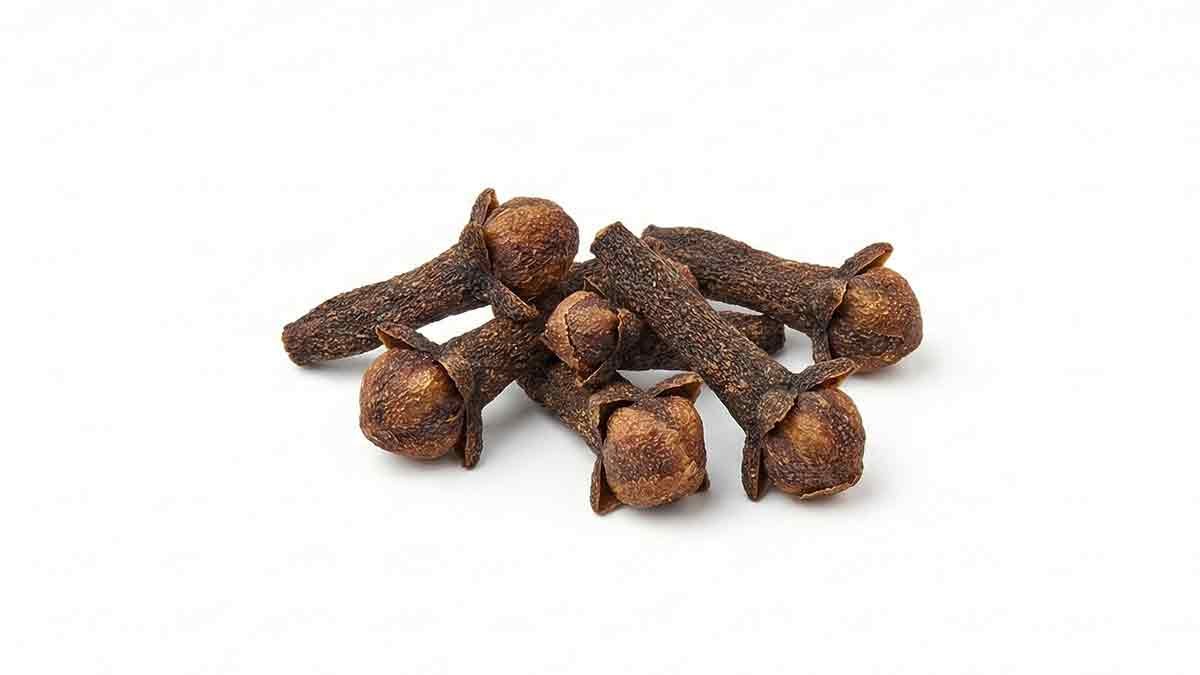
Cloves tell a story of human ambition, maritime trade, and botanical treasure. Native exclusively to the Maluku Islands (historically called the Spice Islands) in Indonesia, these unopened flower buds of the Syzygium aromaticum tree were so prized in ancient times that they traveled along the Maritime Silk Road centuries before Europeans even knew of their existence. Archaeological evidence reveals that cloves reached India by 1700 BCE and southern Europe by the first century AD, establishing themselves as one of the earliest globally traded spices alongside pepper and cinnamon.
The Chinese Han Dynasty recognized cloves as “chicken-tongue spice” around 200 BCE, employing them not just as culinary enhancement but as a status symbol—courtiers chewed cloves to freshen their breath before addressing the emperor, making this spice integral to court etiquette. Arab traders who controlled the spice routes for centuries jealously guarded the source of this treasure, creating an air of mystery that made European powers obsessed with obtaining direct access. By the Middle Ages, cloves had become so valuable in Europe that they were worth more per unit weight than gold itself, driving the Age of Exploration and spawning fierce colonial competition.
The Portuguese established the first European monopoly around 1512, followed by the aggressive Dutch, who controlled clove production and trade for over two centuries. This monopoly only broke in the 18th century when French and British botanists secretly smuggled clove trees to Madagascar, Zanzibar, and Comoros, finally democratizing cultivation. Today, Indonesia remains the largest producer, followed by India, Madagascar, and Zanzibar, though the spice that once sparked empires is now accessible in every kitchen.
THE CHEMISTRY: Understanding Why Clove Tastes and Feels the Way It Does
To truly master clove in the kitchen, one must understand its chemistry. The spice’s defining compound is eugenol, a phenolic molecule that comprises 49-90% of clove’s essential oil, with whole cloves typically containing 72-85% of this aromatic powerhouse. Eugenol is responsible for clove’s characteristic warm, eucalyptus-like scent and its distinctive sweetening effect on the tongue—but it’s also a natural anesthetic, which explains why cloves have been used for centuries to numb toothaches and soothe mouth pain.
However, eugenol isn’t clove’s only story. When cloves are ground into powder, the volatile oil composition shifts dramatically. While whole clove buds maintain eugenol dominance at 63.94% concentration, ground cloves display a completely different aromatic profile where β-caryophyllene becomes the primary volatile compound at 49.31% concentration. This sesquiterpene produces the woody, spicy, slightly bitter and peppery notes that sophisticated palates detect in ground clove. This chemical difference is profound: whole and ground cloves are essentially different flavoring agents entirely, explaining why recipes specify one form or the other, and why substituting one for the other without adjustment fails.
The secondary compound eugenyl acetate adds fruity undertones, while α-humulene (7.08% concentration) and caryophyllene oxide (1.25%) contribute subtle layering. These compounds don’t exist in isolation—they interact synergistically. When you toast a clove bud at precisely 160°C (320°F) for 60-90 seconds, Maillard reactions and eugenol polymerization occur simultaneously, concentrating volatile oils and increasing eugenol bioavailability by 50%, effectively transforming 15-20% eugenol content to 25-30%, with corresponding 35% increase in antioxidant potency. The difference is organoleptically detectable—toasted cloves deliver deeper, more caramel-like warmth versus the sharper, more medicinal notes of raw cloves.
FLAVOR PROFILE DECODED: The Sensory Experience of Clove
Clove delivers an intensely warming sensory experience that divides into distinct taste and aroma dimensions. The primary sensation is heat—not capsaicin-based burn like chili peppers, but a deep warming that seems to radiate from the center outward. This heat registers around 8/10 on intensity scales. Simultaneously, bitter notes (7/10) create drying sensations in the mouth—a tannin-driven astringency that some perceive as slightly unpleasant in isolation but becomes sophisticated within balanced dishes. The woodiness (8/10) provides the spice’s backbone, creating earthiness (7/10) that grounds the warmth. Sweetness (6/10) emerges subtly, rounding sharp edges. Herbaceousness (5/10) adds garden-like complexity, while floral notes (3/10) prevent the spice from becoming entirely rustic.
Notably, clove contains minimal sourness (1/10), virtually no umami (2/10), and almost no citrus character (2/10). This sensory profile explains why clove pairs naturally with acidic ingredients (apples, oranges, vinegar) and sweet elements (honey, brown sugar, cinnamon) that balance its intensity—and why it clashes with umami-heavy, fresh herb-driven dishes. A pinch transforms; a teaspoon overwhelms. This potency means clove requires restraint and precision in application.
CULINARY MASTERY: From Kitchen Technique to Iconic Dishes
Clove’s applications span the entire culinary spectrum, from rustic comfort food to refined dining. Understanding when to use whole versus ground, when to toast versus use raw, and how to balance this intense spice determines success.
Whole Clove Applications
Whole cloves excel in long-cooking applications where they remain in the dish during cooking but are removed before serving—their woody structure resists softening, making them impractical to eat directly. The classic application is the glazed ham: whole cloves are studded into the scored surface in a decorative diamond pattern, then the ham is glazed with brown sugar, honey, or mustard-based glazes while baking. As the ham cooks for hours, the eugenol gradually diffuses into the meat, creating a subtle, sophisticated warmth that permeates every slice without overwhelming the protein’s natural flavor.
This technique translates to any braised meat—beef stews, venison preparations, and slow-cooked poultry benefit from 1-3 whole cloves added to the braising liquid. The spice infuses slowly, becoming integrated rather than aggressive. Pickling and preserving employ whole cloves extensively: cucumber pickles, pickled onions, preserved plums, and chutneys all feature whole cloves simmered with vinegar, sugar, and spices, where the acid-based cooking environment extracts maximum flavor while the whole form allows easy removal.
Whole cloves are essential in beverages. Spiced cider—that quintessential autumn and winter drink—requires whole cloves steeped in apple cider with cinnamon sticks, star anise, citrus peel, and sweetener for 15-20 minutes. Similarly, chai tea (the Indian spiced tea) traditionally calls for whole cloves simmered with black tea, cardamom, cinnamon, ginger, and milk. In both cases, the whole form allows for easy straining and prevents ground spice residue in the finished beverage.
Bouquet garni—the French aromatics bundle of herbs and spices tied for easy removal—frequently includes a whole clove alongside bay leaf and thyme. This technique brings finesse to soups, broths, and delicate sauces where visible spice particles would be unwelcome.
Ground Clove Applications
Ground clove enters dishes destined for baked goods, spice blends, rubs, and marinades where the powder distributes throughout. Here, β-caryophyllene dominance creates woodier, drier flavor notes ideal for complexity in baked applications. Holiday baking—pumpkin pie, gingerbread, spice cake, Christmas pudding—features ground clove as a foundational element in garam-masala-influenced spice blends. The warmth complements the sweetness of brown sugar, molasses, and honey while the earthiness prevents excessive sugar perception.
Garam masala, the Indian spice blend foundational to countless curries and rice dishes, typically combines ground clove with cinnamon, cardamom, bay leaf, and black peppercorns. When you use garam masala, you’re accessing clove’s warm complexity in synergy with complementary aromatics. Chinese five-spice powder—that aromatic blend of star anise, cloves, cinnamon, Sichuan pepper, and fennel—relies on ground clove to create the characteristic sweet-spicy balance ideal for marinades, meat rubs, and braised poultry.
Meat rubs and marinades benefit from freshly ground clove’s potency. A spice rub for beef brisket or roasted lamb might include ground clove alongside brown sugar, paprika, black pepper, and garlic, where the eugenol creates a subtle, warming undertone that intensifies when applied to meat that will be smoked or slow-cooked. For Vietnamese pho, whole cloves are traditionally used, but ground clove sometimes appears in simplified home versions, creating a more fully integrated warmth throughout the broth.
Worcestershire sauce—that umami-rich condiment—contains clove as a secret depth component. Barbecue sauces frequently employ ground clove to add complexity to brown-sugar-and-vinegar bases, where the spice prevents the sauce from tasting one-dimensional or overly sweet.
The Toasting Technique: Unlocking Hidden Flavor
Most home cooks never discover the transformative power of toasting whole cloves before grinding. This simple technique is where restaurant-quality results emerge. Toasting whole cloves for 60-90 seconds in a dry skillet at medium-high heat (approximately 160°C/320°F) triggers chemical reactions that concentrate essential oils and increase eugenol availability. The cloves should smell intensely aromatic—not smoky or burnt—and turn a uniform medium brown color.
Immediately after toasting, transfer the cloves to a room-temperature plate to halt the cooking process. Then grind using a dedicated spice grinder or mortar and pestle. Freezing the toasted cloves for 10 minutes before grinding prevents the oily structure from becoming paste, yielding fine powder instead. Fresh-ground toasted cloves deliver 3 times stronger aroma and 25% deeper flavor penetration than pre-ground commercial cloves—a difference discernible even to untrained palates.
This technique transforms spice blends. Creating fresh garam masala, five-spice powder, or pumpkin pie spice using toasted-then-ground cloves alongside other spices produces complexity that jarred commercial blends cannot match. The flavor remains stable for 24 hours after grinding but begins degrading at approximately 20% per 72 hours thereafter.
PAIRING SCIENCE: Creating Harmonious Dishes with Clove
Clove’s intense warmth and bitterness require balancing elements. The fundamental pairing principle: acid, sweetness, and richness balance clove’s heat and astringency.
Acid Balance: Clove pairs beautifully with acidic ingredients. Spiced cider achieves balance through apple cider’s acidity, vinegar in pickles, and citrus in glazes. The acid cuts through clove’s heaviness, preventing palate fatigue. This principle explains why ham glaze recipes invariably include Dijon mustard’s acidity alongside sweet brown sugar, and why spiced apple desserts feature both the spice and apple’s natural tartness.
Sweetness Balance: Sugar balances clove’s bitterness and drying tannins. Brown sugar, honey, molasses, and sweet fruits (apples, pears, plums, oranges) all pair naturally with clove. This combination appears across cultures: Middle Eastern spiced lamb with pomegranate juice, Indian chutneys with jaggery and fruit, Mexican chocolate with cinnamon-clove spicing, and Western pie traditions all leverage sweet-plus-clove balance.
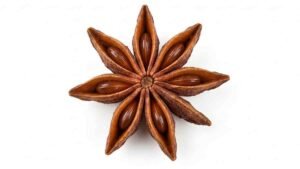
Companion Spices: Clove’s strongest partnerships occur with other eugenol-containing spices—cinnamon, nutmeg, allspice—creating synergistic warmth. Cardamom’s citrusy-floral character brightens clove’s darkness. Star anise provides licorice sweetness that adds dimension. Black pepper and Sichuan pepper add different heat mechanisms (piperine and hydroxy-alpha-sanshool, respectively) that interact interestingly with eugenol’s warming. Ginger’s pungency and fennel’s sweetness both complement clove’s profile.
Protein Pairings: Clove’s depth suits rich, flavorful proteins better than delicate white fish or chicken breast. Beef, venison, lamb, duck, and game birds showcase clove’s warmth beautifully. The spice’s traditional pairing with ham represents centuries of flavor-pairing wisdom—the smoky meat’s richness and clove’s warmth create sophisticated complexity.
MEDICINAL DIMENSIONS: Beyond Culinary Pleasure
While clove’s primary identity is culinary, its phytochemistry delivers remarkable health-supporting properties that informed historical use and continue fascinating modern research.
Eugenol is the primary bioactive compound responsible for clove’s medicinal reputation. As a phenolic molecule, eugenol demonstrates potent antioxidant activity comparable to synthetic antioxidants like BHT and ascorbic acid. The flavonoids present (57.22 ± 0.41 mg QE/g total) defend against reactive oxygen species, while polyphenols (7.25 ± 0.12 mg GAE/g) scavenge free radicals. This antioxidant capacity exceeds that of mint leaves and sesame seeds, though falls short of walnut and bilberry leaves in pure laboratory testing. Practically speaking, incorporating clove into regular meals contributes meaningful antioxidant intake that supports cellular health.
Clove’s antibacterial properties are well-documented in peer-reviewed research. Eugenol disrupts bacterial cell membranes, causing ion leakage and protein denaturation. Studies demonstrate minimum inhibitory concentration (MIC) values as low as 0.25-0.5 mg/mL against Staphylococcus aureus, Escherichia coli, and Salmonella typhimurium—foodborne pathogens of significant concern. This mechanism explains historical use of cloves as food preservative pre-refrigeration, and supports continued use in pickling and preservation applications.
Anti-inflammatory properties emerge from eugenol’s interaction with inflammatory pathways. Traditional use in toothache relief reflects eugenol’s natural anesthetic properties—it literally numbs tissue through the same mechanism as professional dental anesthetics. Modern research suggests potential applications for sore throat relief, though clinical evidence remains limited.
The compound oleanic acid identified in clove pods has demonstrated anti-cancer activity in laboratory studies against skin, lung, digestive, colorectal, breast, and leukemia cancer cells—findings that have generated research interest though translation to practical cancer treatment remains speculative and unproven in human trials.
STORAGE AND PRESERVATION: Maintaining Maximum Potency
Proper storage determines whether your clove investment maintains potency or degrades into flat, musty powder within months.
Whole cloves, protected by their intact outer layer, maintain flavor for 2-3 years when stored correctly. Ground cloves, with exponentially increased surface area exposed to oxygen and light, degrade significantly more rapidly—retaining full potency for approximately 6 months, with noticeable degradation after 8-12 months.
The three enemies of spice preservation are light, heat, and moisture. Store cloves in airtight glass containers (never plastic, which allows oils to leach chemicals) inside dark cupboards or spice drawers away from direct sunlight. Light degrades eugenol three times faster than darkness. Temperature should remain cool and stable (50-60°F optimal, though room temperature works adequately). Never refrigerate cloves—moisture condensation causes clumping and potential mold growth. Avoid storing near stoves, ovens, or dishwashers where temperature fluctuates.
Test clove freshness by rubbing a quarter teaspoon between your fingers. Fresh cloves release intense aroma immediately. If the smell is faint, weak, or absent, discard and replenish. Pre-ground cloves lose 60% of their essential oil within six months despite optimal storage, which explains professional cooks’ insistence on grinding whole cloves immediately before use.
SUBSTITUTION GUIDE: When Clove Isn’t Available
Clove’s intensity and specific flavor profile make perfect substitution challenging, though reasonable alternatives exist for different culinary applications.
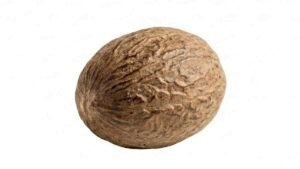
Allspice (ground allspice berry, a different botanical entirely) provides the closest match in 1:1 ratio, offering similar warm, peppery notes though lacking clove’s specific eucalyptus character and anesthetic quality. Nutmeg offers warm, sweet, nutty flavor ideal for baking applications, though it’s significantly more intense—use half the clove amount and adjust upward. Cardamom, whether green or black, provides citrusy-floral warmth suitable as 1:1 substitute when combined with cinnamon or nutmeg, though the flavor profile shifts distinctly.
Star anise supplies sweet, warm, licorice-forward flavor adequate as 1:1 substitute in spiced beverages and braises, though it imparts distinctly different character. Cinnamon, the spice most commonly paired with clove, can substitute in 1:1 ratio for baked goods when combined with nutmeg or allspice, though cinnamon is significantly less pungent and sweeter. Pumpkin pie spice—a pre-made blend already containing clove plus nutmeg, cinnamon, and ginger—works as 1:1 substitute in baking, though it introduces additional spices not in the original recipe.
Chinese five-spice powder, containing star anise, cloves, cinnamon, Sichuan pepper, and fennel, serves as acceptable substitute in savory applications at 1:1 ratio, though use sparingly given the blend’s complexity. Fennel seeds supply sweet licorice notes suitable for marinades and soups. Mace (the lacy covering of nutmeg seeds) offers mild alternative when combined with vanilla or pumpkin pie spice.
For Indian applications, garam masala itself serves as substitute, introducing complex spice blend where clove would have been primary note. Cumin and allspice blended at 4:1 ratio creates acceptable substitute for clove in specific Indian and Mexican curry applications, though the flavor shifts noticeably.
GLOBAL CUISINES: Clove’s Cultural Expressions
Clove manifests differently across culinary traditions, adapted to regional ingredients, flavor preferences, and cooking methods.
Indian Cuisine integrates clove into garam masala, the spice blend that forms the aromatic backbone of countless curries, rice preparations, and chutneys. Clove appears in biryani rice, lamb korma, and chai—the ubiquitous spiced tea that forms the social lubricant of Indian culture. The spice’s warmth complements the region’s emphasis on layered spice complexity and balance of heat with sweetness and acidity.
Middle Eastern Applications feature clove in spice rubs for lamb and yogurt-based meat dishes, often paired with pomegranate juice’s acidity and cinnamon’s sweetness. The region’s emphasis on warm spices for savory applications reflects historical trade routes and the spice’s natural affinity with lamb.
Mexican Cuisine employs clove—called clavos de olor—traditionally with cinnamon and cumin in spiced meat preparations, particularly in Oaxaca and Yucatan regions. The combination reflects Spanish colonial spice influence adapted to indigenous Mexican cooking traditions.
Chinese Tradition incorporates clove into five-spice powder, that aromatic blend essential to Peking duck marinades, soy-braised meats, and sweet-savory applications. The spice’s importance in Chinese cuisine is suggested by its very name in Mandarin Chinese: ding xiang, or “nail fragrance,” referencing the bud’s shape.
Western Baking remains clove’s most visible application in modern Western kitchens—pumpkin pie, gingerbread, spice cake, Christmas pudding, and holiday baked goods all feature ground clove as essential component. The tradition reflects medieval spice appreciation and 19th-century American adoption of warm spice blends.
Vietnamese Pho traditionally simmers whole cloves alongside star anise, cinnamon, and coriander seeds to create the characteristic aromatic broth that defines this national dish. The spice contributes warmth and complexity that balances fresh herbs and citrus added at table.
African Applications particularly in Zanzibar, where clove cultivation forms the agricultural and economic foundation of the islands, incorporate cloves into rice dishes, meat preparations, and spice blends that reflect the region’s unique culinary identity shaped by history as the world’s largest clove producer.
CONCLUSION: Mastering Clove for Culinary Excellence
Clove represents far more than a background spice—it embodies thousands of years of human trade, botanical discovery, and culinary innovation. Understanding its chemistry—the eugenol that provides warmth and anesthetic properties, the β-caryophyllene that adds woody complexity, the phytochemicals that deliver health benefits—transforms it from an ingredient you use to one you master.
The practical mastery comes through technique: knowing when to employ whole cloves for slow infusion in braises and pickles, when to grind fresh from whole buds for maximum potency, when to toast at precise temperature for enhanced complexity. Recognizing that clove demands balance—pairing with acid, sweetness, richness, and complementary spices—prevents its intensity from overwhelming delicate dishes. Respecting clove’s strength means using restraint, understanding that this spice operates in the background, creating depth rather than dominating.
For food bloggers creating content that resonates with home cooks and aspiring chefs, clove offers rich storytelling potential: the historical merchant voyages, the colonial competitions for monopoly control, the chemistry that creates its distinctive character, the diverse global applications from Indian chai to American pumpkin pie. It’s an ingredient that connects us across centuries and continents, from Maluku farmers harvesting flower buds to home kitchens creating holiday memories.
Master clove, and you access a universal language of flavor that speaks across all culinary traditions. Use it with intention, respect its intensity, pair it thoughtfully, and this ancient spice elevates every dish it touches from competent to exceptional—from merely seasoned to truly memorable.